
10/8/2026
Renovating in Lisbon: licensing after the October 2026 reform, reduced VAT and why engineering leads
Portugal's building licensing rules changed again on 1 October 2026. Here is what needs a licence, what does not, when 6% VAT applies, and how to keep a renovation on budget.
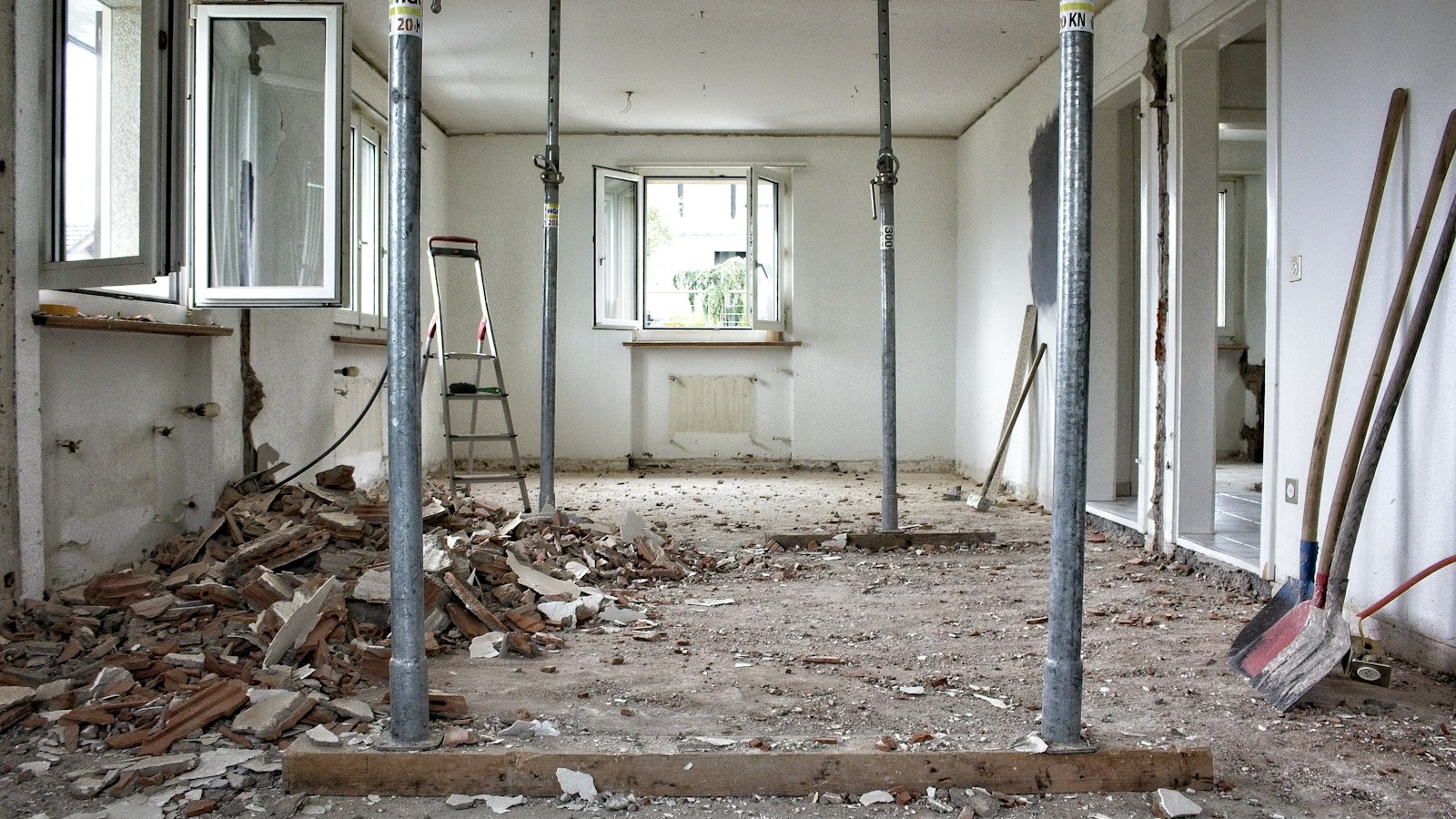
Many of the properties our clients buy in Lisbon are older buildings with character and with problems: original timber structures, tired installations, damp, poor insulation. A renovation can transform both the home and the investment. It can also become the most expensive part of the purchase if it is approached as a decorating project rather than an engineering one.
The licensing rules changed on 1 October 2026
Portugal's urban building regime (RJUE) was simplified in 2024 by the Simplex reform and revised again by Decreto-Lei 108/2026, which came into force on 1 October 2026. It applies to new procedures. There are now three regimes: a full licence (licença); a prior notice (comunicação prévia), under which works may start once the notice is submitted; and a prior notice with a deadline (comunicação prévia com prazo), which applies to the use of buildings and to changes of use.
What still needs a full licence
A licence is required for any works on buildings that are classified as heritage or in the process of classification, or that sit in classified ensembles and sites. It is also required for new construction, extensions, exterior alterations or demolition in the protection zones around classified buildings, and for removing azulejos from façades. In parts of Lisbon, this covers more buildings than buyers expect, so heritage status should be checked before purchase, not after.
What does not need a licence or notice
The law exempts several kinds of work from licence and prior notice, including:
Conservation works.
Interior alterations that do not change the exterior (heights, façades, roofs) and do not affect structural stability. Works that do affect the structure can also be exempt, but only with a stability project, a statement of responsibility from an engineer and, where required, seismic reinforcement, all filed with the municipality.
Works of minor urban relevance. These now include replacing window frames with energy-efficient ones, provided the geometry is kept and the exterior finish is identical to the original, and installing solar panels within set limits. The window frame rule now applies even in the protection zones of classified buildings. These exemptions do not apply to classified buildings themselves.
Exempt does not mean invisible. The owner must notify the Câmara Municipal five days before starting, except for purely interior conservation works. The works must still comply with planning and heritage rules and can be inspected.
Deadlines and tacit approval
The revised regime sets legal deadlines for the municipality to decide licence applications. For building works, the deadline is 20 days, counted from the submission of the specialty engineering projects, and if the Câmara does not decide in time, the application is tacitly approved. The submission receipt and proof of fee payment then serve as evidence. In practice, a complete and well prepared application is what makes these deadlines work.
Reduced VAT at 6%
Renovation can benefit from VAT at 6% instead of the standard rate, under specific conditions:
Renovation, remodelling, restoration, repair or conservation works on housing, provided the materials do not exceed 20% of the total value of the contract. Cleaning, gardens, swimming pools and similar works are excluded.
Rehabilitation works on buildings located in a legally delimited urban rehabilitation area (Área de Reabilitação Urbana).
How the contract with the builder is written determines whether the reduced rate applies. It should be decided before the contract is signed, not discussed on the invoice.
Why engineering should lead
The licensing route, the structural question, the VAT treatment and the budget all depend on the same early technical decisions: whether a wall is structural, whether the floors need reinforcement, what the installations will require. When these are answered first, the design, the permits and the contractor's price rest on facts. When they are answered halfway through the works, they become change orders.
How we help
Our renovation and project management service is led by an engineering team. We assess the building before purchase, define the scope and the licensing route, manage design, procurement and contractors, and stay with the project until we hand over the keys.
This article is general information, verified against official sources in October 2026. It is not legal, tax or engineering advice for a specific property. Municipal rules and heritage constraints should always be confirmed with the Câmara Municipal.
Sources
Decreto-Lei 108/2026, revision of the RJUE: https://diariodarepublica.pt/dr/detalhe/decreto-lei/108-2026
Decreto-Lei 155-B/2026 (entry into force on 1 October 2026): https://files.diariodarepublica.pt/1s/2026/07/14705/0000200003.pdf
Ordem dos Arquitectos, text of Decreto-Lei 108/2026: https://ordemdosarquitectos.org/backend/uploads/DL_N_108_2026_29_MAIO_2786145a69.pdf
Código do IVA, List I (items 2.23 and 2.27): https://info.portaldasfinancas.gov.pt/pt/informacao_fiscal/codigos_tributarios/civa_rep/Pages/c-iva-listas.aspx